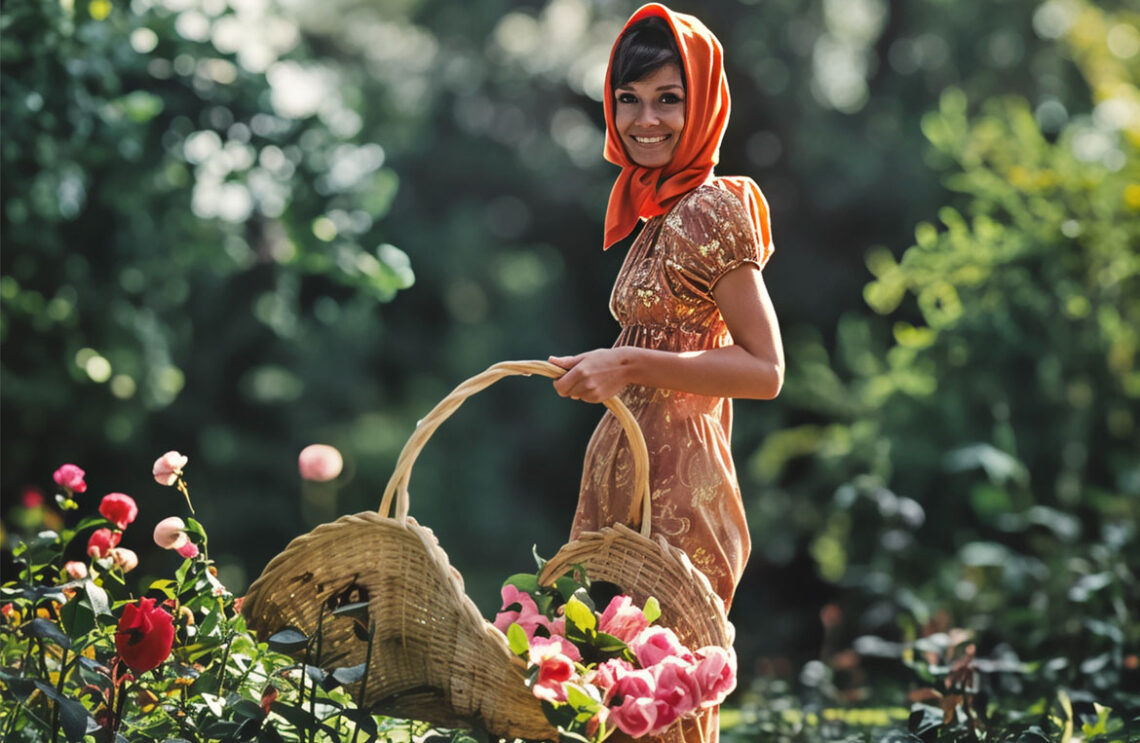

The actress Audrey Hepburn chose Switzerland as her refuge and spent her final years there with elegance.
An Icon of Hollywood Cinema
Audrey Hepburn left her mark on the cinema of the 1950s and 1960s with her natural elegance. Her journey led from the stages of Broadway to UNICEF’s humanitarian missions.
From Broadway to the Oscar
Born on 4 May 1929 in Ixelles, Audrey Hepburn revolutionised the cinema of the 1950s and 1960s. Initially a dancer, she discovered theatre and shone on Broadway in the play Gigi in 1951. Her exceptional talent earned her the Oscar for Best Actress for Roman Holiday, at only 24. She then played unforgettable characters in Sabrina, War and Peace, Breakfast at Tiffany’s and My Fair Lady. The very opposite of voluptuous stars, the actress brought a refined glamour that became emblematic of cinema.
A Humanitarian Commitment with UNICEF
Her slender figure, expressive eyes and mischievous smile made her a global icon. After 1967, the actress stepped away from film sets to focus on her family, then on humanitarian aid. A UNICEF ambassador from 1988, she travelled across Africa and Latin America to help children. From her home in Tolochenaz, she pursued this commitment until the end of her life.
Tolochenaz ; Audrey Hepburn’s Refuge in Switzerland
The small village of Tolochenaz, near Morges, was the actress’s home for three decades. Her memory lives on there, between the family house, a memorial square and the church.
A Vaud Village Far from Hollywood
From 1963, Audrey Hepburn chose the Vaud village of Tolochenaz, far from the hustle of Hollywood. Perched above Lake Geneva, the village charmed the actress with its tranquillity and discreet charm. She found there an ideal refuge to lead a simple family life, sheltered from fame. The village became the setting for her happiest and most serene moments. Audrey Hepburn passed away peacefully there on 20 January 1993, leaving an exceptional artistic and humanitarian legacy. The village honours her memory and keeps this unique link with Switzerland alive.
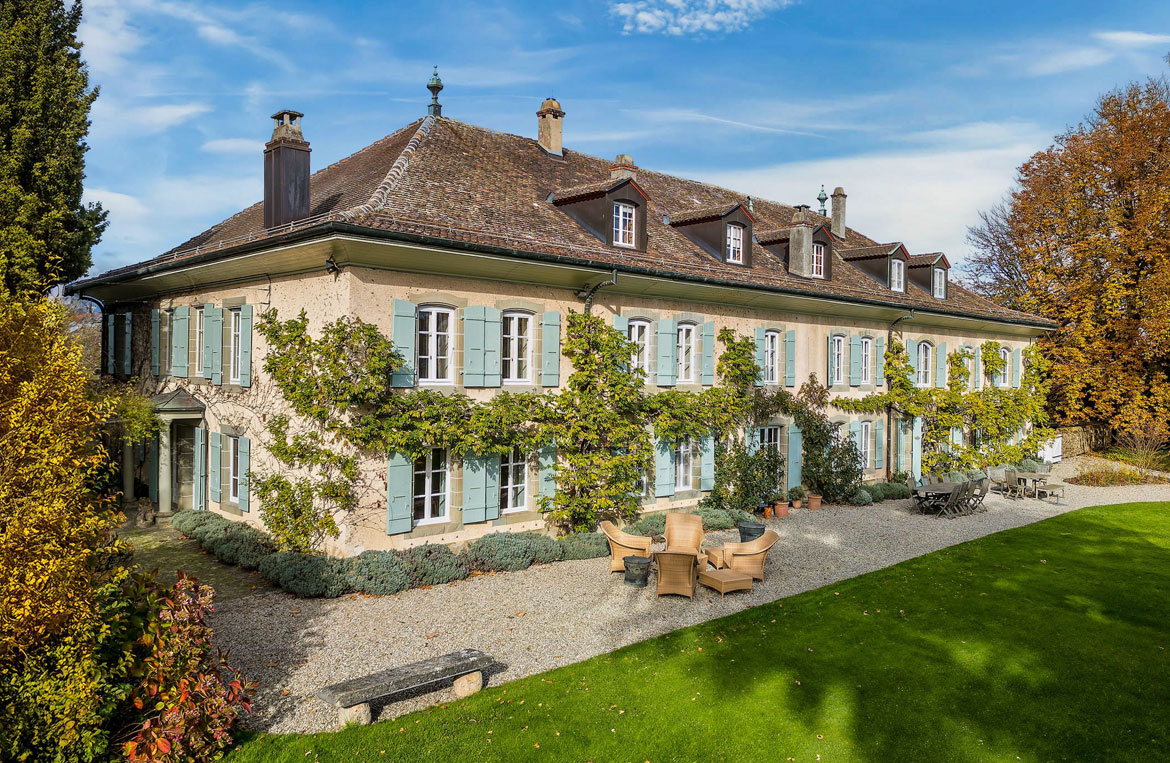
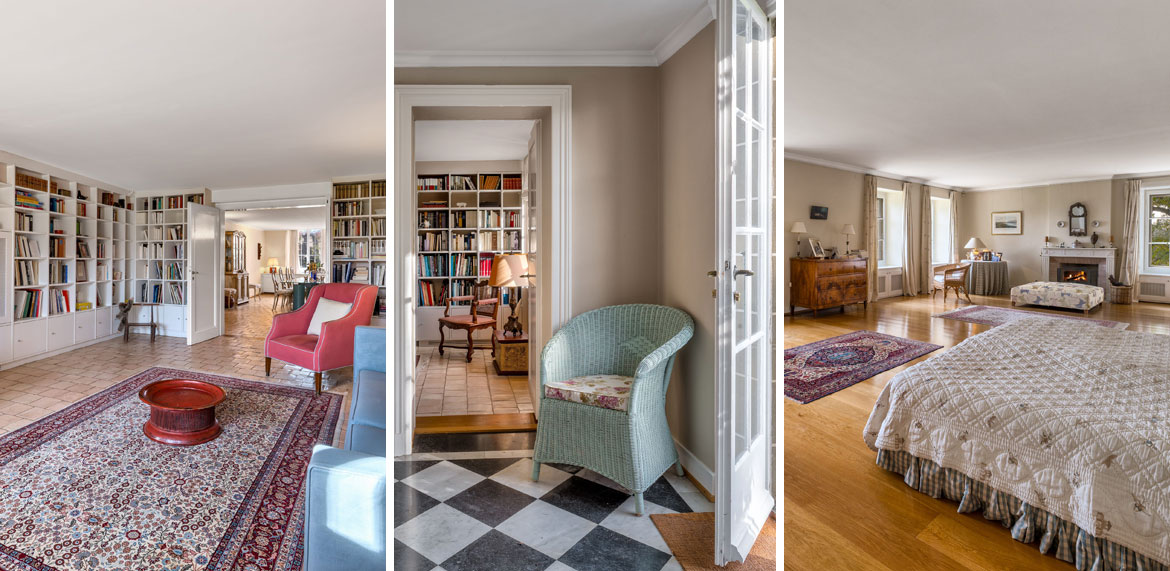
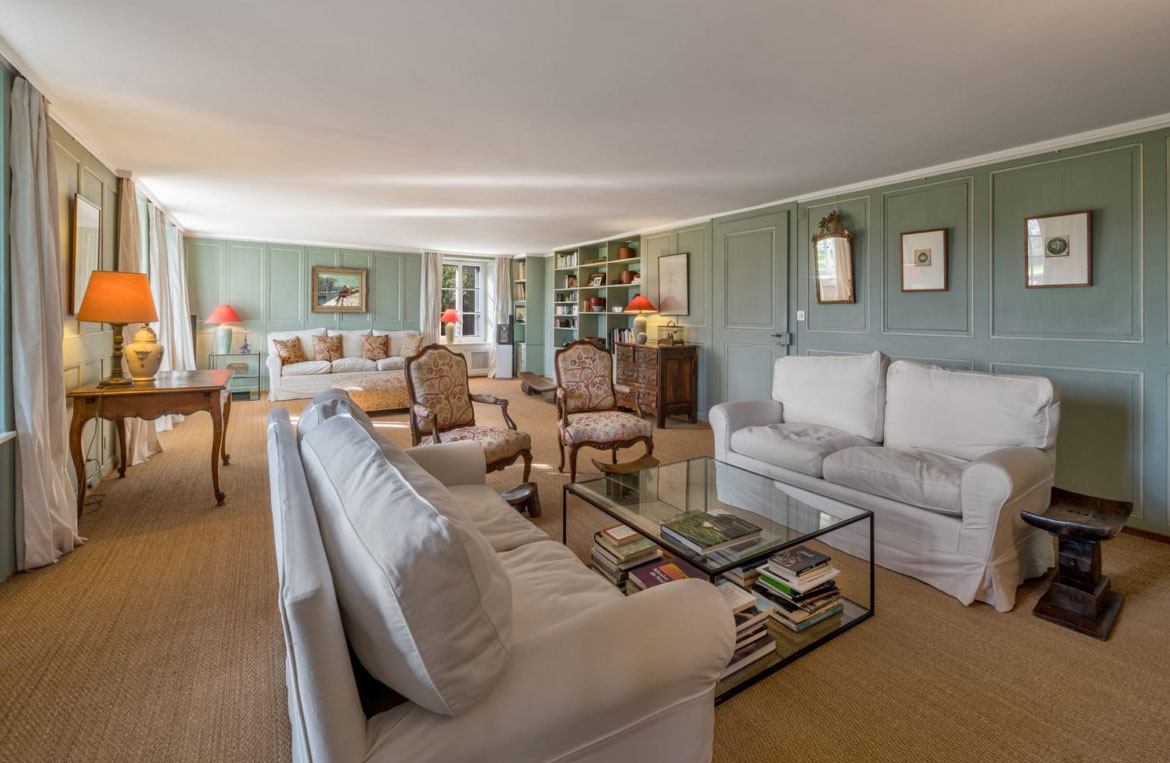
Photo credits ; David Walls
A Tribute in Switzerland to Audrey Hepburn
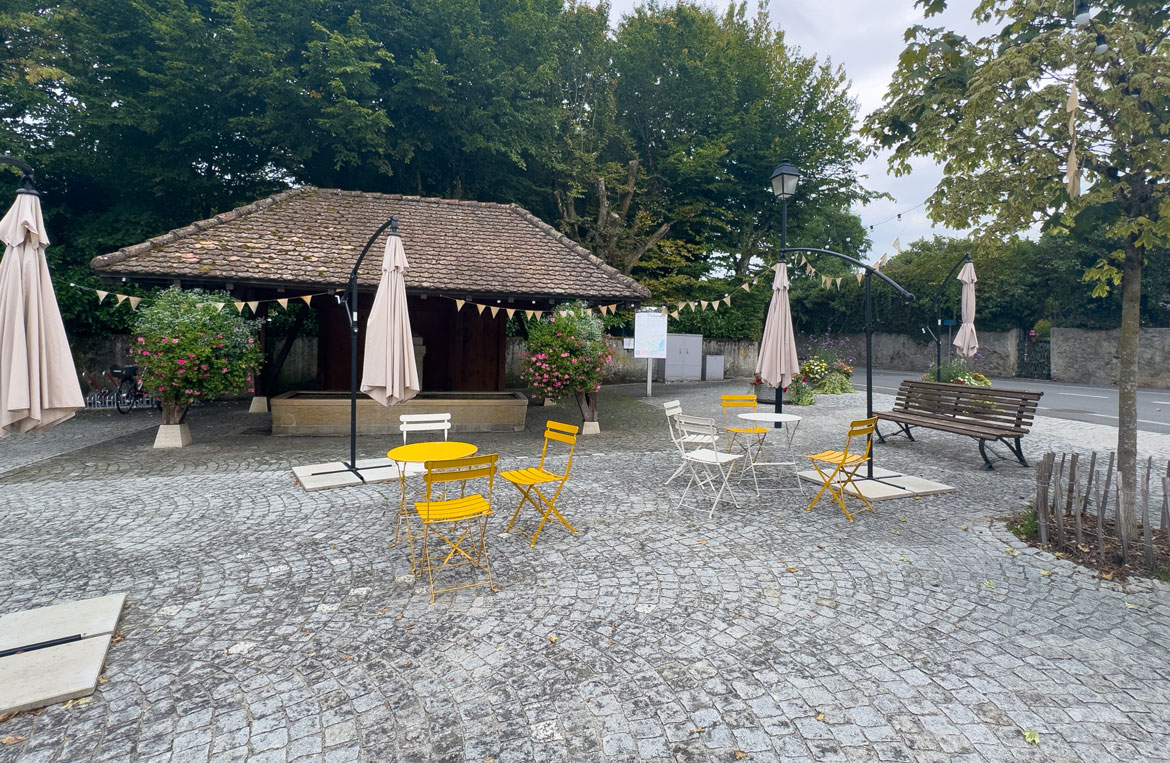
In the centre of Tolochenaz, a charming village square bears the actress’s name. A bronze bust of her elegant face adorns this peaceful space. Donated in 2012 by her sons Sean Hepburn Ferrer and Luca Dotti, the monument reflects the family’s attachment to the village. On this pretty square, the murmur of the fountain invites a serene pause. The atmosphere perfectly reflects the star’s spirit: simple, authentic and deeply human. A little further on stands the Church of Tolochenaz, where her funeral was held in January 1993.
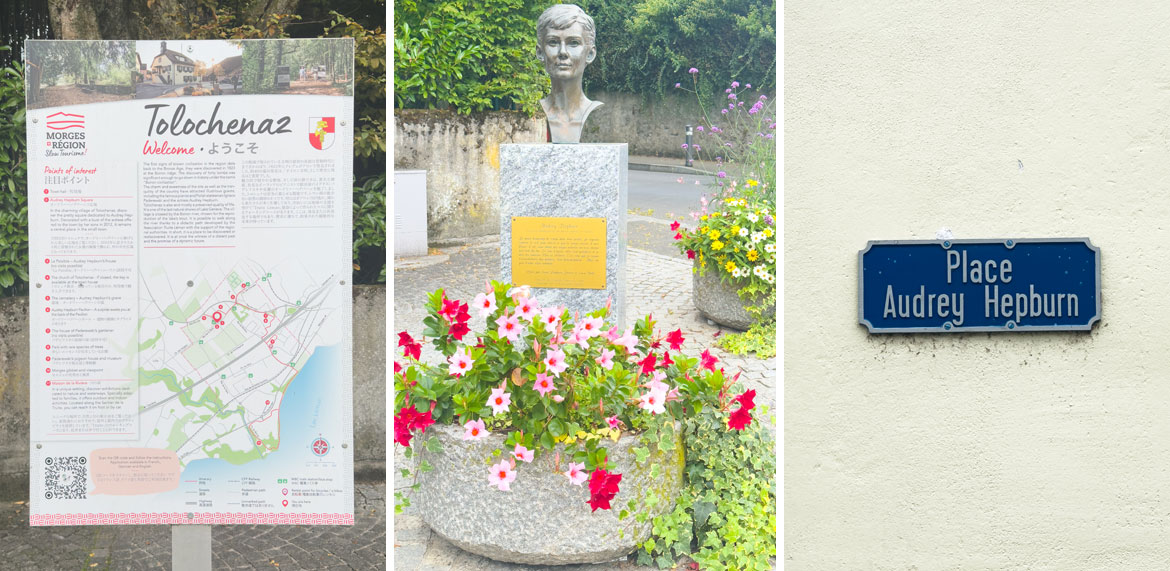
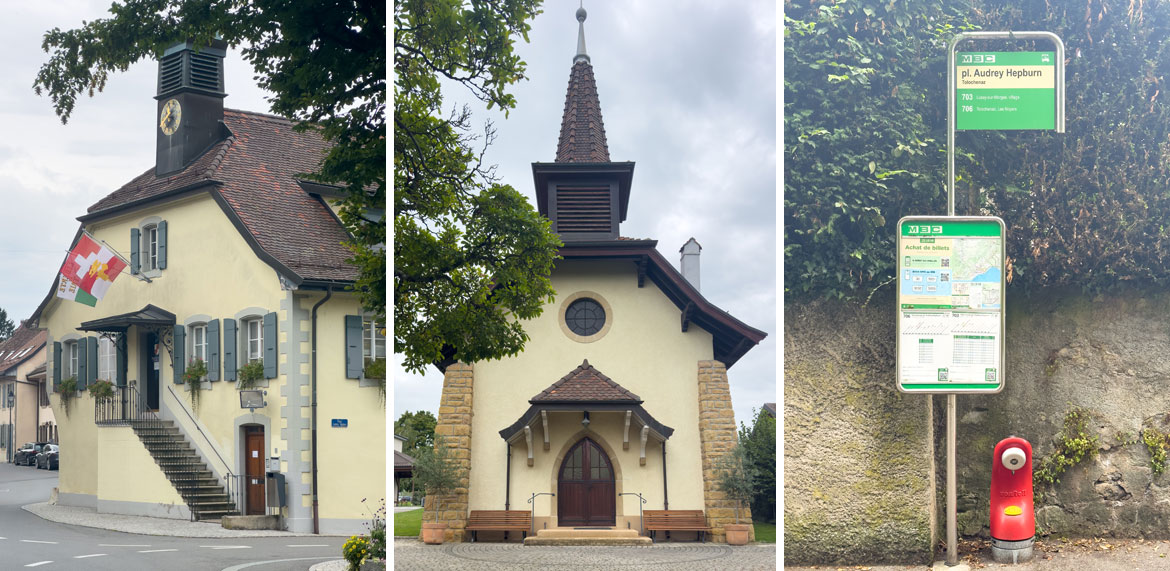
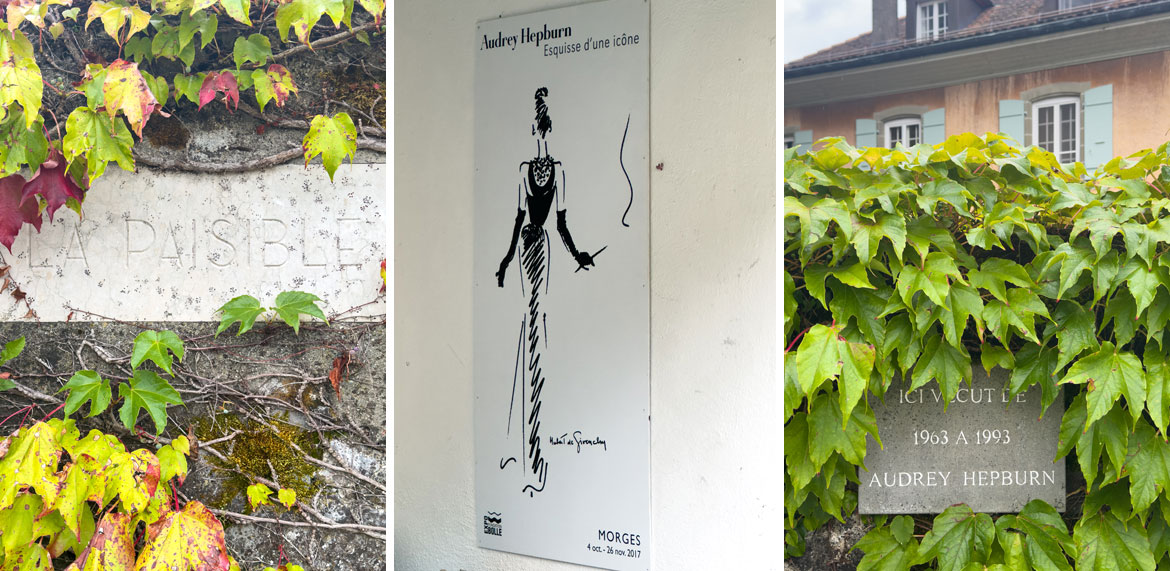
In Audrey Hepburn’s Footsteps in Morges
The town of Morges keeps many memories of the actress’s daily life. A route offered by Morges Région Tourisme links these emblematic places in the historic centre.
A Walk with Morges Région Tourisme
The stops include Morges Town Hall, where Audrey Hepburn married Andrea Dotti in January 1969. The market she regularly visited and the Bolle museum complete the route. The Dumas grocery also recalls her presence, thanks to a back door that let her escape the paparazzi. These everyday places reflect her great simplicity and attachment to the region. Locals remember her discreet charisma and kindness. Lovers of walks in Vaud also enjoy a Lavaux walk (in French), between vines and lake.
La Paisible ; Audrey Hepburn’s Home in Switzerland
In the heart of Tolochenaz stands La Paisible, the actress’s home from 1963 to 1993. This former 18th-century farmhouse sheltered her family life, away from the spotlight. Her garden, which she tended with passion, offered her a restorative setting every day. The house remains private property.
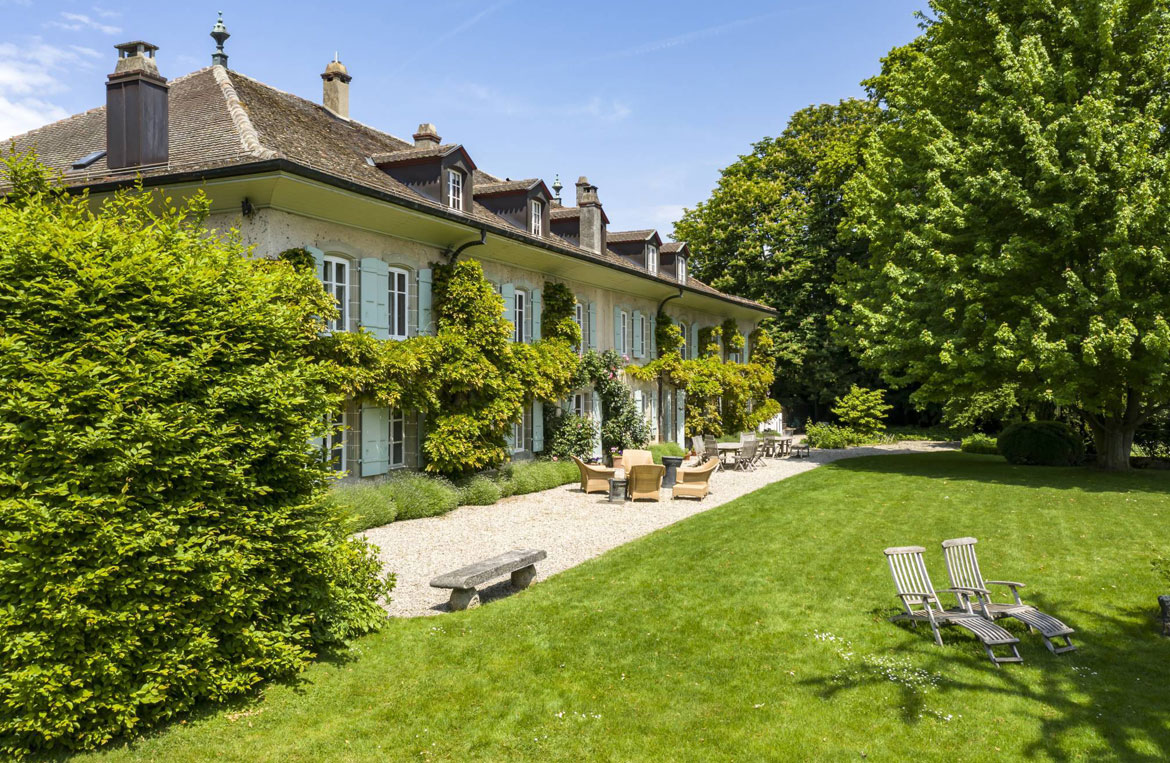
Photo credits ; Barnes Suisse
A Unique Illustrated Biography
The actress’s life also inspires the ninth art. A comic book retraces her journey, from the Second World War to her years in Vaud.
Audrey Hepburn and Switzerland in a Comic Book
The comic book author Christopher wanted to create an illustrated biography of Audrey Hepburn. While talking with his publisher, he realised that the actress’s life had never been put into images. He immediately accepted the project and contacted the Swiss journalist and filmmaker Eileen Hofer. She happened to be researching the thirty years the actress spent in Tolochenaz. Eileen Hofer draws on biographies and places this journey in the context of the Second World War. The artist draws inspiration from period documentaries for his black and white pages. With the help of Luca Dotti, the actress’s son, the two artists deliver a simple and fluid tribute. The book is published by Michel Lafon.
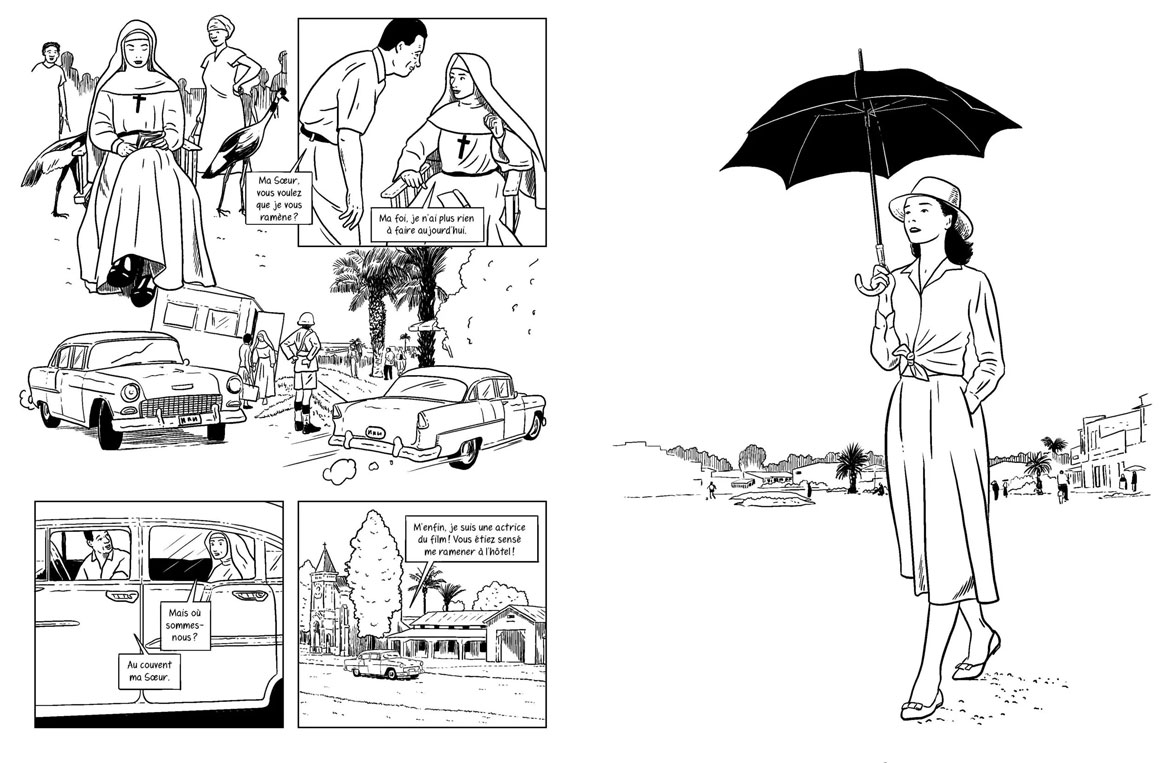
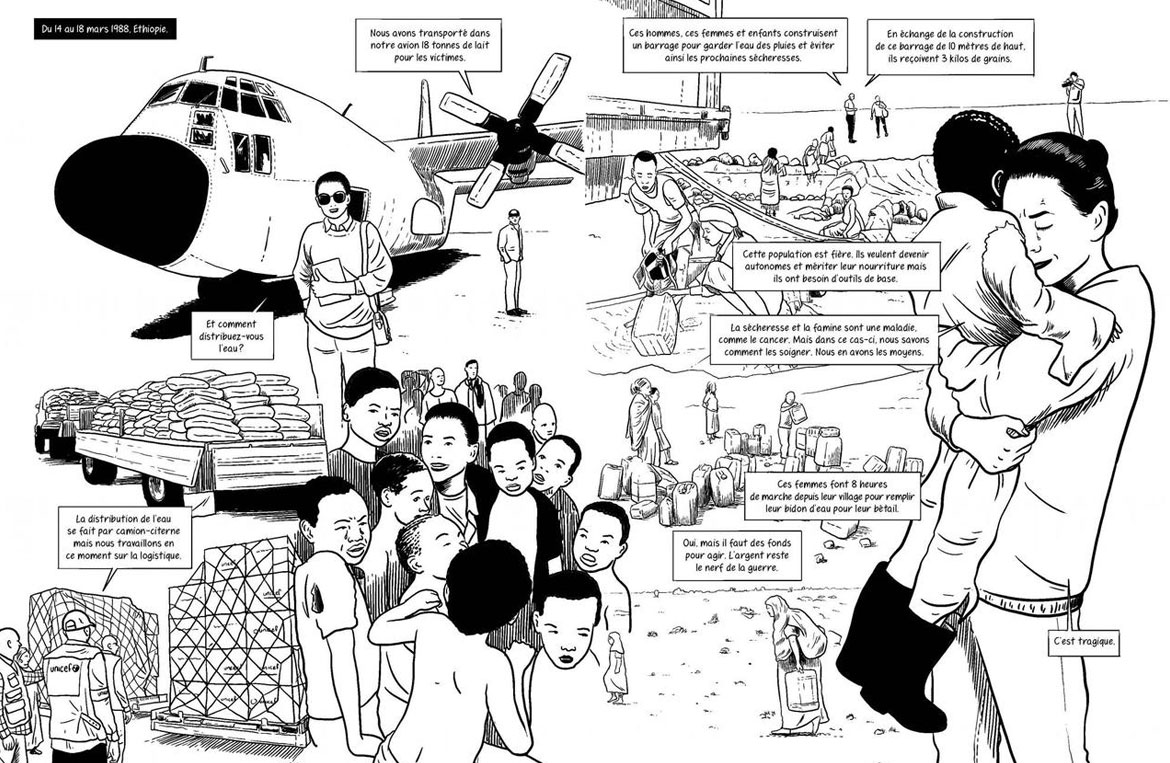
A meeting with Christopher confirms the care put into this remarkably crafted book. Reading it is an emotional and authentic experience.